Handmade at Altitude, Carried with Purpose
Today we explore Alpine craftsmanship—locally made gear for deliberate journeys—where small workshops turn wool, leather, wood, and steel into companions for slow miles and decisive moments. Expect stories from high valleys, design principles shaped by weather, and practical ways to choose, care for, and repair the pieces you carry. Bring your questions, share your routes, and walk with us toward equipment that earns trust one quiet step at a time.
Materials Shaped by Mountains
The Alps teach with wind, ice, and sudden sun, so materials must answer honestly. Local makers choose fibers and metals not for fashion, but for rhythm: breathe when climbing, insulate when pausing, endure when scraping granite. Each choice—wool, leather, wood, steel—reflects lessons learned on passes and forest tracks, where durability, warmth, grip, and repairability matter more than any catalog promise.
Wool that Works When Weather Turns
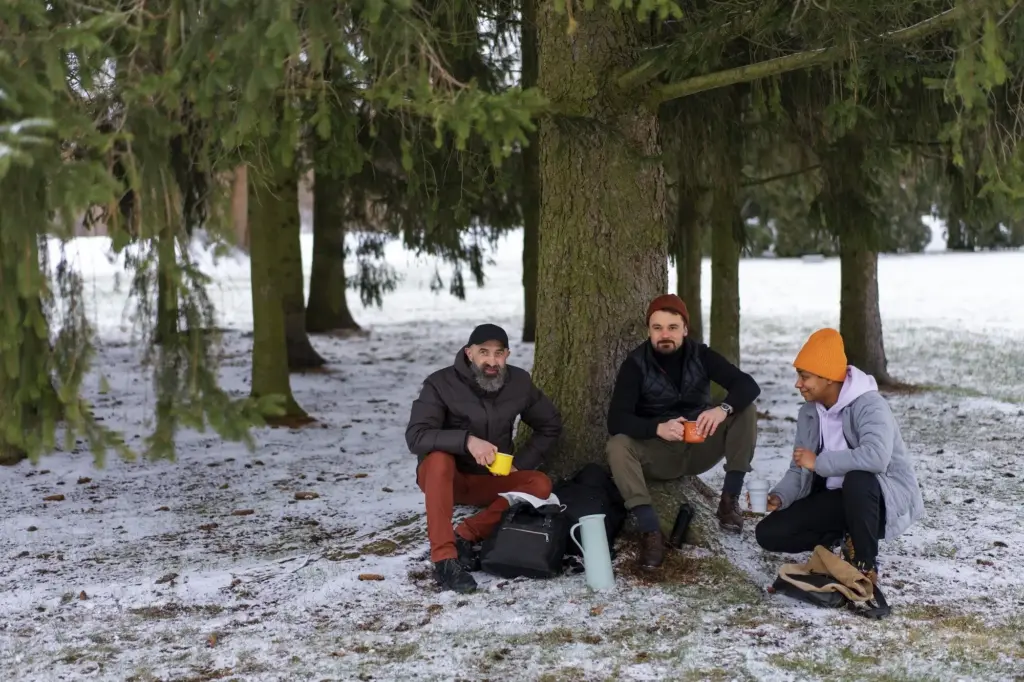
Mountain wool carries lanolin’s quiet magic: it wicks, insulates, and resists odor through days of changing altitude. In beanies, socks, and mid-layers, local spins emphasize springy loft and sturdy stitches that shrug off pack straps. Worn over a simple base, it evens temperature swings between shaded gullies and sunlit ridgelines, letting you pause longer without the creeping chill that steals confidence.
Leather that Learns Your Stride
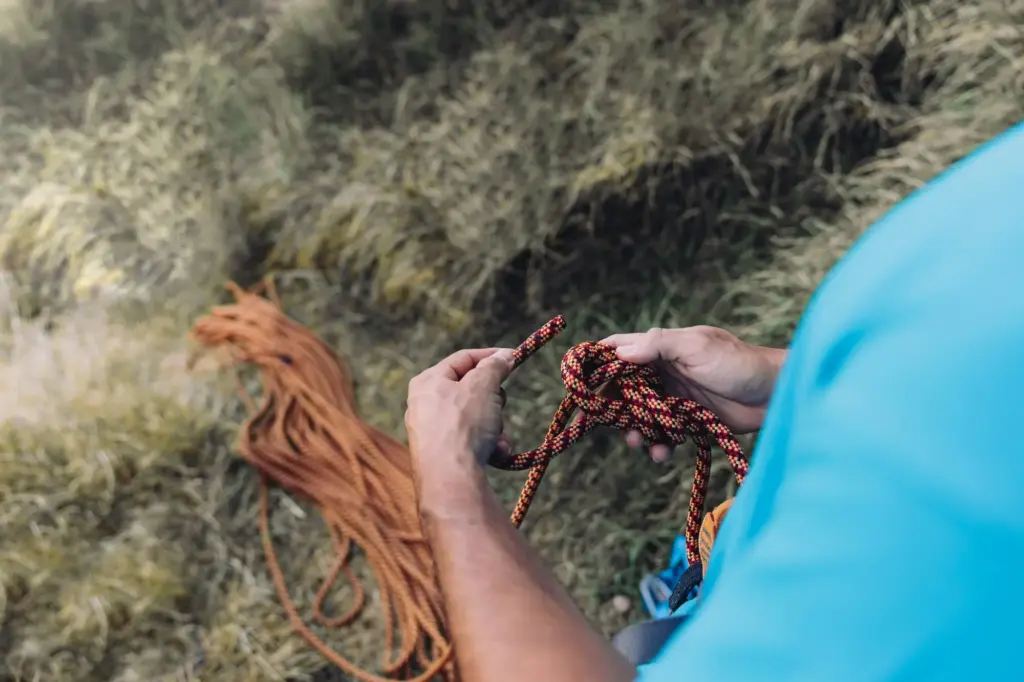
Vegetable-tanned leather softens with patient miles, molding to ankles and hands while building a protective patina. Makers cut thick yet forgiving panels for boots, belts, and glove palms, then oil them to face sleet, slush, and rock dust. Scuffs become a map of places traveled, and when a stitch frays, it invites a needle, not a landfill, back into the story.
Wood, Steel, and Quiet Strength
Ash and similar resilient woods provide lively cores that damp chatter without deadening the trail’s feel, while steel edges and forged hardware anchor control where ice hides. In poles, tools, and bindings, balanced flex meets precise bite. Makers tune thickness and temper to favor reliability over flash, prioritizing predictable responses that help you commit confidently to a traverse, turn, or careful descent.
Design with Intention, Built for the Long Way
Deliberate travel asks products to vanish into purpose. Straps lie where they should, closures work with gloves, and pockets hold only what earns its weight. Decisions favor simplicity that can be repaired, not complexity that dazzles indoors. The result is calm: packs that settle, layers that adapt, tools that feel obvious in the hand, so attention stays on weather, footing, and company.
Carry Only What Carries You
Thoughtful packs trim away fuss, leaving firm frames, clean panels, and secure lash points that do their job without chatter. Load lifters align weight with your center, while roll-tops keep contents tight against shifting elevation. Makers include modest repair kits and accessible seams, assuming buckles will freeze and zippers will grit. When every gram speaks, only the helpful earn a seat.
Layers That Listen to the Sky
A quiet system beats a drawer of maybes. Local jackets rely on robust face fabrics and breathable membranes, paired with mid-layers that slide smoothly and vent without drama. Cuffs and hems cinch one-handed. Hoods track with headlamps and storm beanies. Pieces share cuts and connection points, welcoming adjustments mid-slope so your body’s thermostat stays in tune with clouds and light.
Repair Made Simple, Anywhere
Design begins where trailside mishaps end. Bar tacks guard stress points, and hardware favors standardized screws, not proprietary riddles. Makers hide reinforcing fabric beneath abrasion zones and print small repair diagrams inside pockets. Needle holes and field patches become badges of care, extending usefulness through seasons. Knowing you can fix it grants freedom to wander further without fearing the next sharp edge.
Lukas and the Buckle That Outlived a Storm
When a three-day squall pinned a group above tree line, Lukas’ brass buckle held under iced webbing that groaned with every gust. Later, the pack returned soaked and scuffed, yet the buckle clicked cleanly. He tweaked nothing, only stamped a date inside the strap—proof that reliability is not loud. The next batch kept the same curve, because humility protects better than hype.
Marta Weaves Sunlight into Straps
Marta’s loom sits by a south window, where afternoon rays warm wool and recycled poly twine. She blends fibers for grip that won’t bite cold fingers, then dyes with gentle tones that echo larch needles and limestone dust. Each strap passes through her hands twice: once for strength, once for feel. Travelers write back about silent motion over snow, which she counts as success.
A Young Maker Learns the Edge
An apprentice spent a winter perfecting steel edges on borrowed skis, tracing arcs on moonlit crust outside the workshop door. He learned that sharp is not enough; consistency matters when boots tremble. His mentor taught him to listen for a whispering burr, not a shriek. By spring, he filed confidently, sending out pairs that found grip without spite on shaded, stubborn slopes.
Workshop Stories from High Valleys
Behind each boot, strap, and buckle stands a bench near a window, a kettle, and a stubborn idea. These valleys carry patience; progress sounds like a sharpening stone and a loom’s steady pulse. Makers honor elders’ notes while welcoming new hands. The stories below are small, durable truths, reminding us that craft is built on listening: to materials, weather, and travelers’ quiet feedback.
Testing Grounds Across Passes and Pines
Products earn trust beyond the bench. Makers shoulder their own work at dawn traverses, midstorm retreats, and slow rambles through spruce. They watch seams under sleet, listen to buckles in silence, and notice what hands reach for unprompted. Field notes, not slogans, guide revisions. Each iteration grows quieter, lighter, or kinder, until the gear feels like part of the mountain’s rhythm.
Sustainability Woven into Every Decision
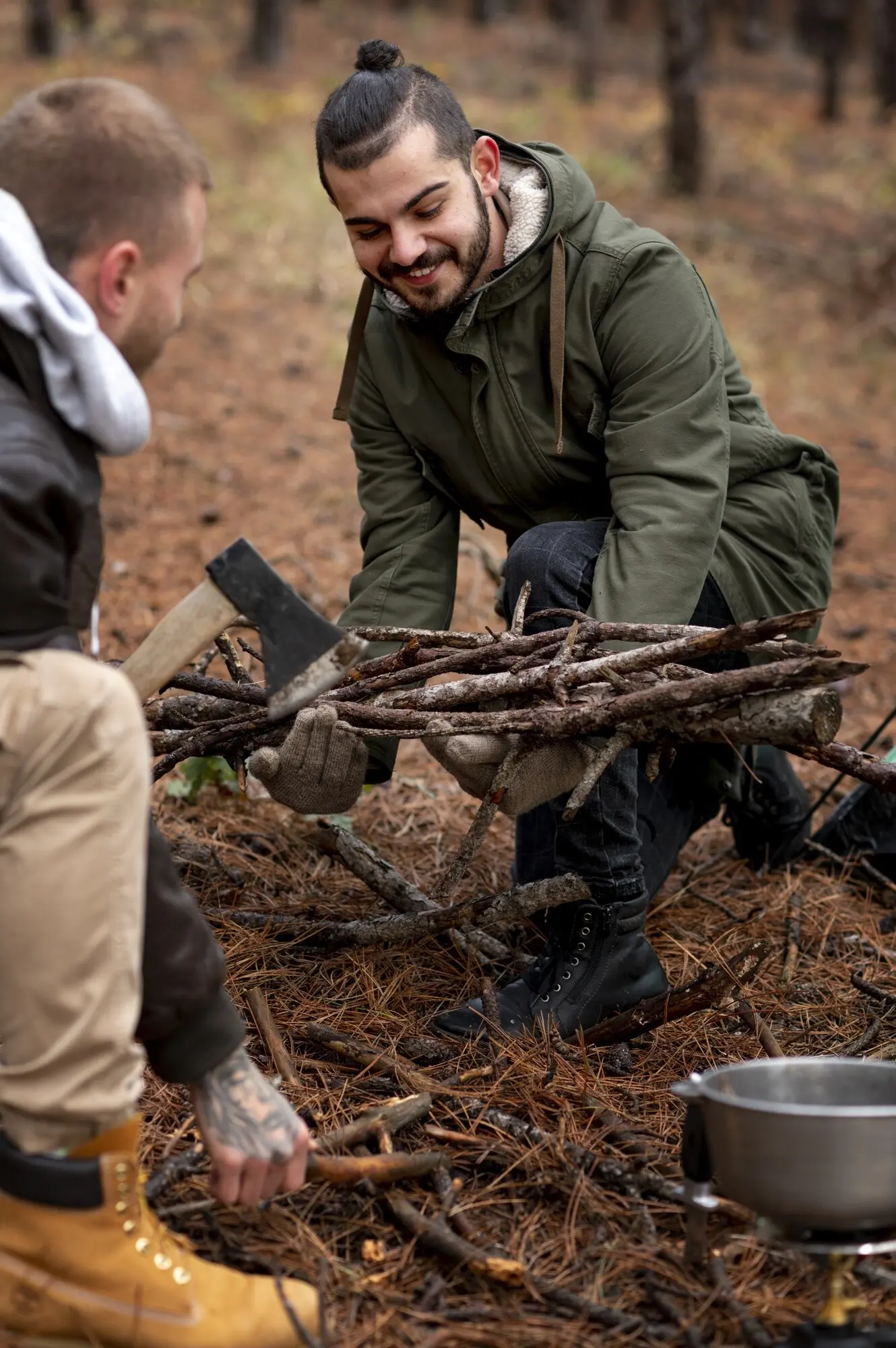
Local supply chains shorten stories between field and hand, tracing fibers, hides, wood, and metals back to people with names. Durability outperforms recycling when repairs stay easy and parts stay available. Packaging prefers paper and restraint, while shipments consolidate across valleys. Nothing is perfect, but transparency invites accountability, and accountability builds practices that tread lighter, last longer, and respect the places we wander.
Traceable Fibers, Honest Metals
Labels list origins because trust grows in daylight. Wool comes from nearby flocks adapted to thin air and sudden cold, while leathers pass through small tanneries using careful, lower-impact methods. Hardware leans on standardized steels, chosen for integrity rather than flash. When materials arrive with stories, makers plan responsibly, and travelers feel connected to a web of fields, forges, and thoughtful hands.
Repair Culture Over Replacement
Workshops host open repair evenings where scuffed boots, torn pockets, and tired straps receive second lives beside mugs of tea. Tutorials show how to reseat a rivet or stitch a gusset with a simple palm thimble. Spare parts ship quickly, not hidden behind exclusivities. Pride shifts from pristine gear to well-kept survivors, proving stewardship is both economical and quietly joyful over years.
Lower-Impact Journeys to You
Orders consolidate to reduce trips, and packaging leans on recyclable fibers with minimal inks. Regional carriers coordinate across valleys, preferring efficient routes over speed that wastes. Instructions encourage long-term care, not quick turnover, helping an item serve for seasons. With each shipment, intention replaces impulse, reminding us that how tools travel matters almost as much as how they perform on snow and stone.
Join the Circle of Deliberate Journeys
This space grows with your footsteps. Share trip notes, field fixes, and quiet victories from predawn starts or unhurried rambles. Ask about fit, care, and choices behind every stitch, and subscribe for workshop updates, stories, and practical checklists. Your feedback steers prototypes, your questions spark guides, and your photos remind us why patient miles—supported by honest, local craft—are worth protecting together.
All Rights Reserved.